
Introduction
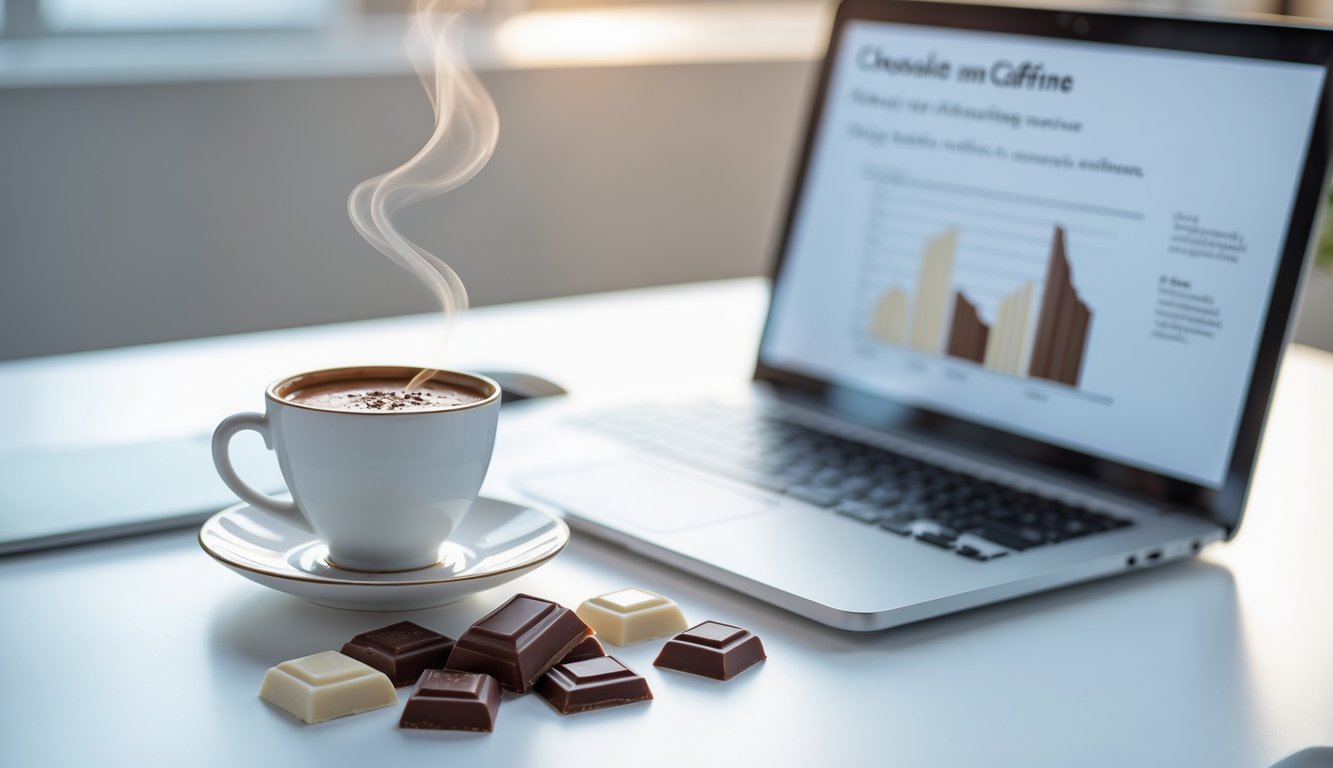
You want a sweet pick‑me‑up without the jitters. Smart. Here’s the short answer: yes, chocolate contains caffeine, and the amount scales with cocoa content. In this 2025 update, you’ll learn exactly how much, how it compares to coffee and tea, and how theobromine fits in. If you came here asking, does chocolate contain caffeine, you’re in the right place. This guide dives deep into the caffeine levels across different types of chocolate, helping you make informed choices for your daily treats.
The Darker the Chocolate, the Higher the Caffeine Content
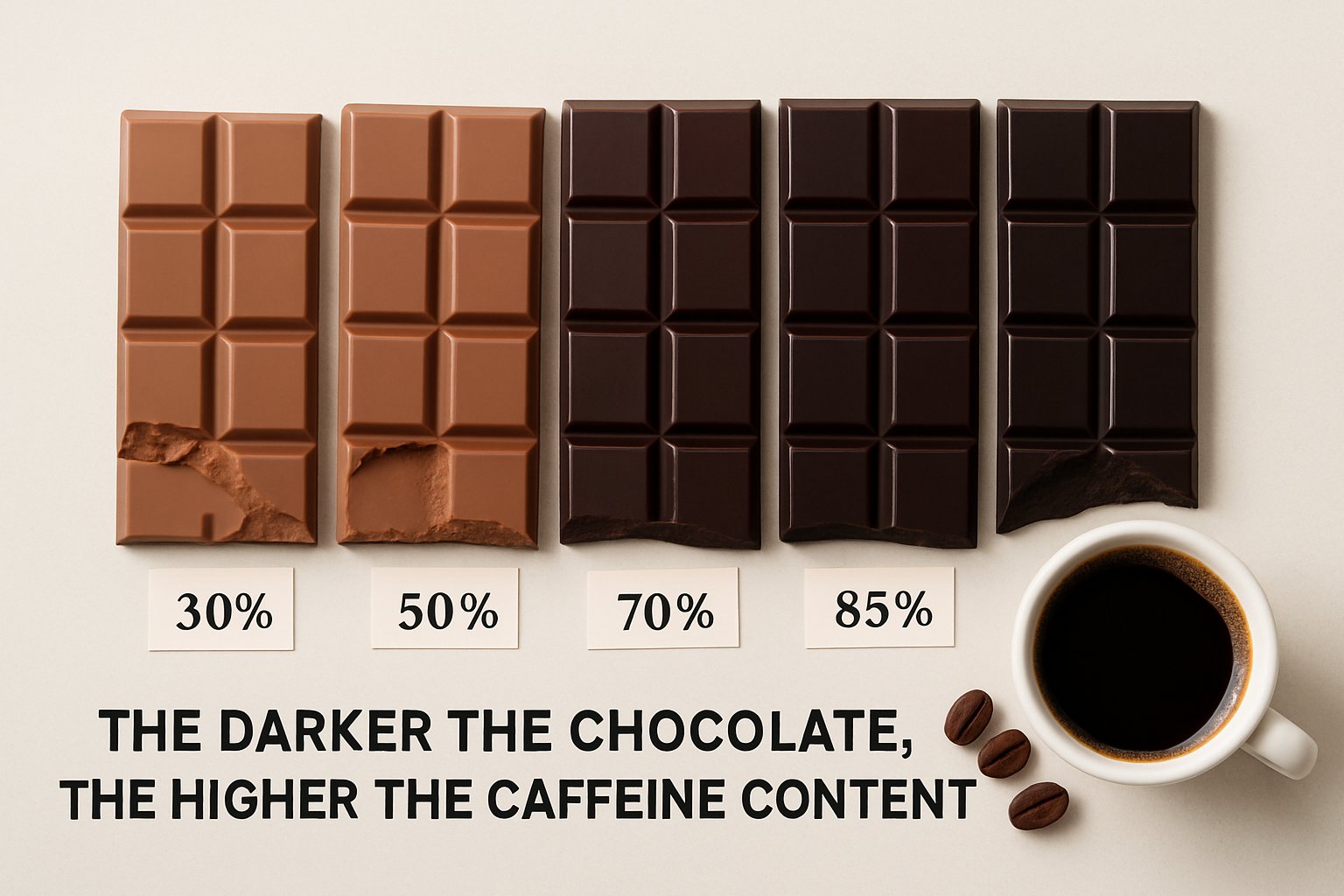
When it comes to caffeine in chocolate, the darkness of the bar plays a crucial role. Cocoa solids are the primary source of this stimulant, so chocolates with higher cocoa percentages naturally pack more caffeine. Understanding this can help you select the right type for your energy needs, whether you’re looking for a subtle boost or something more substantial. This section explores the specifics of dark chocolate and its caffeine profile in detail.
Does Dark Chocolate Have Caffeine?
Yes, dark chocolate does contain caffeine, derived mainly from its high concentration of cocoa solids. This natural component provides a gentle stimulating effect that many people find less intense than that from coffee. For those sensitive to stimulants, even small amounts can be noticeable, but the presence of theobromine often smooths out the experience. Overall, dark chocolate offers a balanced way to enjoy caffeine alongside rich flavors.
How Much Caffeine Is in Dark Chocolate?
Typical 70% dark chocolate provides about 18–25 mg of caffeine per 30 g serving, making it a moderate option for those monitoring their intake. Extra‑dark bars, such as those at 85% or higher, can contain closer to 30–40 mg per similar serving size, which might feel more energizing. Remember that portion sizes play a big role; enjoying just a couple of squares versus an entire bar can significantly alter the effects on your body. It’s always wise to check product labels, as caffeine levels can vary between brands due to differences in cocoa sourcing and processing methods.
Does White Chocolate Have Caffeine?
White chocolate stands out in the chocolate family for its unique composition, primarily made from cocoa butter rather than cocoa solids. This difference is key when considering caffeine content, as it results in a treat that’s virtually free of stimulants. If you’re seeking chocolate without the buzz, this type could be ideal, though it’s worth noting its higher sugar levels. Let’s break down the details further to clarify why white chocolate is often chosen for caffeine-free indulgence.
How Much Caffeine Is in White Chocolate?
White chocolate has functionally zero caffeine, as it lacks the cocoa solids that carry this compound. While trace amounts might appear due to manufacturing cross-contamination, they are generally negligible and won’t impact most people. This makes it an excellent choice for evening snacks or for those avoiding stimulants altogether. However, keep in mind that its sweeter profile comes from added sugars and milk, which could affect your overall diet if consumed in large quantities.
Does Milk Chocolate Have Caffeine?
Milk chocolate offers a creamy middle ground between the intensity of dark varieties and the mildness of white. It includes some cocoa solids, but in lower amounts, leading to a subtler caffeine presence. This balance makes it popular for casual snacking without overwhelming energy effects. In the following subsections, we’ll examine the specifics of caffeine in milk chocolate to help you decide if it fits your lifestyle.
How Much Caffeine Is in Milk Chocolate?
Milk chocolate typically contains about 5–10 mg of caffeine per 30 g serving, providing just a gentle nudge rather than a strong jolt. This lower level means it’s less likely to interfere with sleep or cause jitters for the average adult. However, if you’re combining it with other caffeinated beverages like coffee or tea, the cumulative effect could add up over the day. Opting for smaller portions can help manage intake effectively.
Caffeine Amount by Country
Caffeine levels in chocolate can vary based on factors like bean origin and production methods, though these differences are often subtle. In places like Malaysia, local brands might emphasize certain cocoa profiles, but the overarching rule remains tied to cocoa percentage. This section compares how geography influences caffeine content, offering insights for global chocolate enthusiasts. By understanding these nuances, you can better appreciate the diversity in your chocolate choices.
Comparing Caffeine Content by Country
Chocolate beans sourced from regions like West Africa, Latin America, or Asia may exhibit slight variations in their natural alkaloid levels, including caffeine. However, the manufacturing process, such as roasting and blending, tends to have a greater impact on the final product’s caffeine amount. For instance, a 70% dark chocolate bar made in Malaysia might have caffeine levels comparable to one produced in Europe, as cocoa percentage is the dominant factor. When selecting chocolate, focusing on the label’s cocoa content and serving size will give you the most reliable guidance, regardless of the country of origin.
Caffeine in Chocolate Versus Other Products
Comparing caffeine in chocolate to other common beverages and snacks provides valuable context for managing your daily intake. This overview helps highlight how chocolate fits into a broader spectrum of stimulants, from coffee to energy drinks. By examining these differences, you can make smarter decisions about when and how to enjoy your favorites. The table below offers a quick reference, followed by detailed comparisons.
| Product | Typical Serving | Caffeine (mg) | Theobromine (mg) |
|---|---|---|---|
| Dark chocolate (70%) | 30 g | 18–25 | 200–250 |
| Milk chocolate | 30 g | 5–10 | 50–100 |
| White chocolate | 30 g | 0 | 0–2 |
| Brewed coffee | 240 ml | ~95 | – |
| Black tea | 240 ml | ~45 | – |
| Matcha | 240 ml | 60–70 | – |
| Red Bull | 250 ml | ~80 | – |
Caffeine in Chocolate vs. Coffee
Chocolate generally contains much less caffeine than coffee, with a standard cup of brewed coffee delivering around 95 mg compared to just 18–25 mg in a 30 g serving of dark chocolate. This makes chocolate a preferable option for those seeking a milder energy boost without the potential crash associated with higher caffeine doses. Additionally, the theobromine in chocolate contributes to a more sustained feeling of alertness. When choosing between the two, consider your tolerance and the time of day to avoid disrupting your routine.
How Does It Compare to Tea, Matcha, and Red Bull?
Black tea offers about 45 mg of caffeine per cup, which surpasses milk chocolate but is less than most coffees, positioning it as a moderate alternative. Matcha, with 60–70 mg per serving, provides a stronger kick similar to a small coffee, often exceeding typical chocolate amounts while offering unique antioxidants. Energy drinks like Red Bull contain around 80 mg, easily surpassing chocolate’s milder profile and making them suitable for quick energy needs. Overall, chocolate stands out for its gentle, combined effects of caffeine and theobromine, ideal for a subtler lift.
Theobromine and Your Energy Levels
Beyond caffeine, theobromine is a key compound in chocolate that influences how it affects your energy and mood. This naturally occurring stimulant provides a smoother, more prolonged effect compared to caffeine alone. Understanding theobromine’s role can enhance your appreciation of chocolate’s benefits. This section delves into its differences from caffeine and its specific contributions to chocolate’s appeal.
Theobromine vs. Caffeine: What’s the Difference?
Caffeine acts quickly on the central nervous system, delivering a rapid boost that can sometimes lead to jitters. In contrast, theobromine primarily affects the cardiovascular system, promoting relaxation and a gentler stimulation with fewer side effects. Its longer half-life means the effects linger, providing sustained energy without sharp peaks and valleys. Many people find this combination in chocolate more enjoyable for daily consumption.
The Role of Theobromine in Chocolate
Dark chocolate is particularly rich in theobromine, often containing 200–250 mg per 30 g serving, which enhances its mood-boosting properties. This compound contributes to the calming yet alerting sensation that makes chocolate a favorite for focus and relaxation. For activities like working or exercising, the steady energy from theobromine can be more beneficial than caffeine’s quick hit. Incorporating moderate amounts of dark chocolate can thus support better energy management throughout the day.
Can Theobromine and Caffeine Cause Negative Side Effects?
While chocolate’s stimulants offer benefits, they can lead to side effects if not managed properly, especially for sensitive individuals. Factors like dosage, timing, and personal tolerance play significant roles in the experience. Moderation is key to enjoying the positives without the downsides. Here, we’ll explore potential risks and guidelines for safe consumption.
Can Caffeine Be Dangerous?
For most healthy adults, consuming up to 400 mg of caffeine daily is generally safe, but exceeding this can lead to issues like restlessness or headaches. Pregnant people should aim for no more than 200 mg to protect fetal development, while children and teens need even stricter limits to avoid impacting growth and sleep. Monitoring total intake from all sources helps prevent adverse effects. Consulting a healthcare provider is advisable if you have underlying conditions.
Can You Overdose on Caffeine? How Much Is Too Much?
Overdosing on caffeine can result in symptoms such as rapid heartbeat, anxiety, and insomnia, though it’s uncommon from chocolate alone due to its lower concentrations. Serious toxicity usually stems from high-dose supplements or excessive beverages, not typical snack portions. To stay safe, track your cumulative intake from coffee, tea, energy drinks, and chocolate throughout the day. If you experience unusual symptoms, reducing consumption and seeking medical advice is recommended.
FAQs
Is there caffeine in cocoa powder?
Yes. Natural cocoa powder contains caffeine because it’s made from cocoa solids. One tablespoon can carry a few milligrams, depending on brand and roast. This makes it a useful ingredient for baking with a subtle energy twist. Always consider portion sizes when using it in recipes.
Will chocolate before bed keep me awake?
It can. Dark chocolate is more likely to affect sleep due to higher caffeine and theobromine. If you’re sensitive, enjoy it earlier in the day. Opting for milk or white varieties might minimize disruptions. Experimenting with timing can help you find what works best for your routine.
Which chocolate is best for a gentle energy boost?
Try 60–70% dark chocolate in small portions. You’ll get mild caffeine plus theobromine for a smoother, longer curve than coffee. This range balances flavor and effects nicely. It’s a great choice for afternoon slumps without overstimulating.
About The Author